You’d never buy a house without inspecting it.
But one of the largest living assets on the property usually goes unchecked.
The trees.
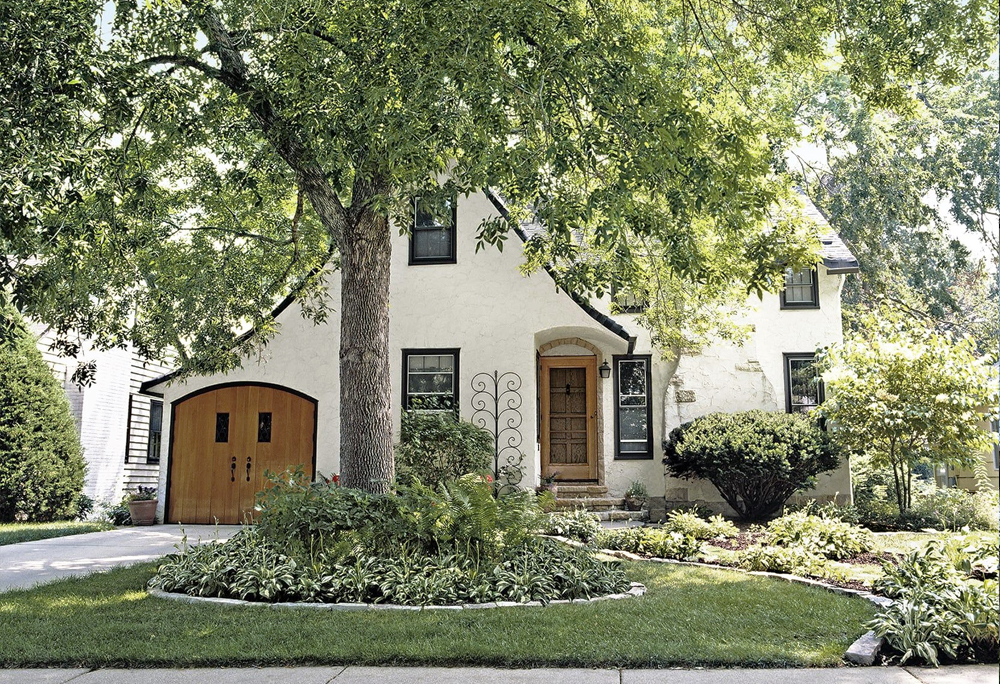
They provide shade, privacy, and curb appeal.
They shape how the property feels and functions.
They’re also part of what you’re buying—and eventually, what you’re responsible for.
When tree problems show up, they don’t stay small—they land on whatever’s below.
That’s the gap a Tree CheckUp® Inspection is designed to fill.
The inspection your home inspector doesn’t do
A standard home inspection focuses on the structure.
Roof. Electrical. Plumbing. Foundation.
But when it comes to the trees and landscape, most reports stop at:
“Trees are present near the home.”
That’s not an evaluation.
That’s a note.
And that gap is where unexpected, five-figure problems tend to show up—after closing, when the property is yours.
None of this is covered in a standard home inspection.
Get clarity before you close
Most buyers don’t think about this until after they close.
If you’re under contract on a home with trees near the house, this is the window to understand what they mean for ownership.
👉 See What a Tree CheckUp® Inspection Costs — Before You Close
👉 Schedule your Tree CheckUp® Inspection
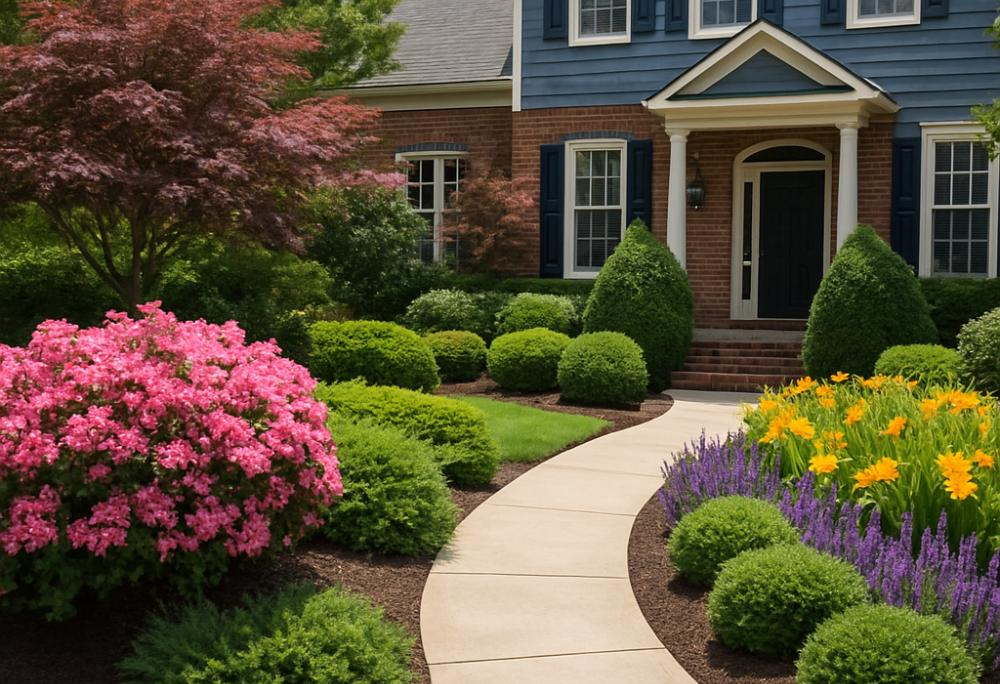
“But the trees look fine…”
That’s what most buyers think when walking through a property.
Mature trees look strong. Established. Valuable.
What you don’t see right away:
- Past root disturbance from construction
- Internal decay that isn’t visible from the ground
- Trees planted too deeply, slowly declining over time
- The wrong tree in the wrong place
Trees rarely change overnight.
Most issues develop quietly, over the years.
By the time something looks obvious, it’s usually been there for a while.
A trained eye isn’t looking for “good or bad.”
It’s the reading patterns most people don’t know to look for.
What a Tree CheckUp® Inspection actually is
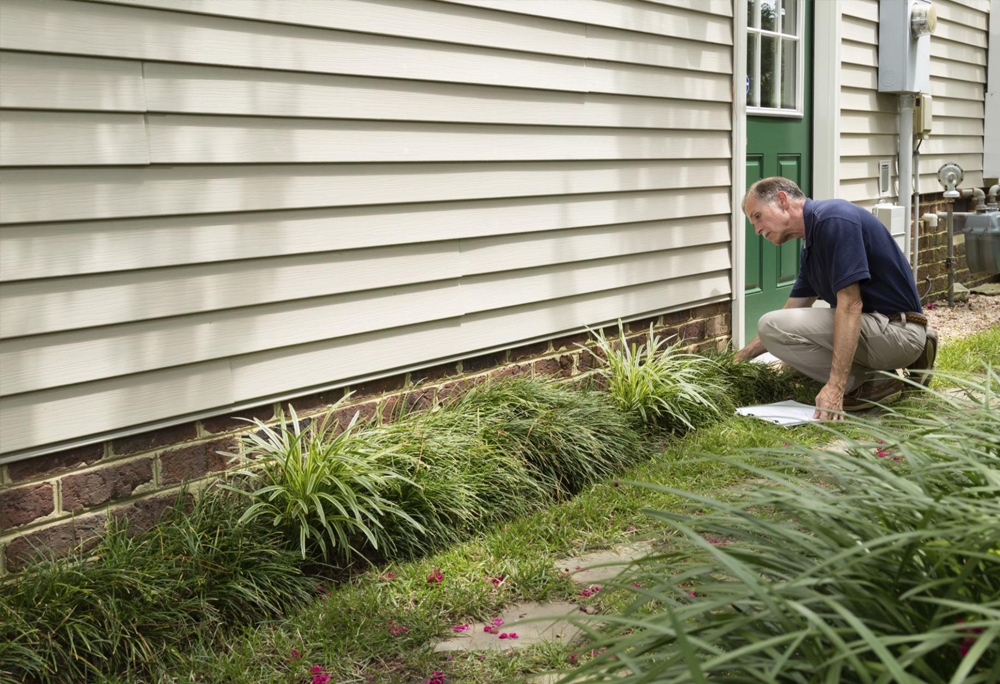
A Tree CheckUp® Inspection is a focused, pre-purchase evaluation of the trees and landscape around a home performed by a trained and qualified independent tree professional.
Think of it as the outdoor counterpart to your home inspection.
The inspection your home inspector doesn’t do.
During a Tree CheckUp® Inspection, we:
- Identify the trees
Species, size, and how they’re growing relative to the site - Look for visible and developing issues
Canopy thinning, dieback, cracks, cavities, insect activity, and other indicators - Evaluate the root zone and site conditions
Root flare, soil conditions, drainage, compaction, and past site changes - Consider how the property has changed over time
Construction, grading, irrigation, and environmental stress - Organize findings into ownership planning categories
So you understand what matters now, what to monitor, and what to plan for over time
You get clear documentation, photos, and plain-English explanations of what’s being observed—and what it typically means for ownership.
Not guesswork. Not a sales pitch.
How trees are actually evaluated (and why most people get this wrong)
Most tree problems aren't obvious.
In fact, one of the biggest challenges in plant diagnostics is that different issues can produce the same visible symptoms.
A thinning canopy, leaf discoloration, or dieback might be caused by:
- Site stress
- Root disturbance
- Insects
- Disease
- Or a combination of factors
And without a structured approach, it's easy to jump to the wrong conclusion.
There's a principle used in plant diagnostics:
Don’t make the symptoms fit the diagnosis—make the diagnosis fit the symptoms.
That means working through a process:
- Identifying the tree and what's normal for it
- Observing patterns—where issues are occurring and how they're progressing
- Evaluating site conditions like soil, drainage, and past construction
- Looking for indicators across the canopy, trunk, and root zone
- Considering timing and history—what's changed over time
This isn't guesswork.
It's a structured way of understanding what you're actually looking at.
And it's why two people can look at the same tree and come to very different conclusions.
A Tree CheckUp® Inspection applies that process before you buy—so you're not relying on assumptions or quick opinions.
Why most tree issues show up after closing
Most tree issues aren't evaluated during a real estate transaction.
They show up after—when something starts looking off, or someone is called out to take a look.
In most cases, the person evaluating the tree is also quoting the work.
That's not wrong.
But it does mean the evaluation and the solution are tied together.
They have an incentive to recommend work—whether it needs to happen now or can be planned over time.
Your Tree CheckUp® Inspection separates those.
It’s independent, and it’s built to help you understand the property—not sell you a project.
What you’re actually trying to figure out
Most buyers aren’t asking:
“Is this tree good or bad?”
They’re trying to answer something much simpler:
- Are the trees an asset I’ll enjoy?
- Will maintenance be a routine part of owning the property?
- Or something I’ll need to plan for sooner than expected?
A Tree CheckUp® Inspection helps you answer that—clearly, before you own it.
Putting real numbers behind it
Trees can absolutely add value to your property.
Shade, privacy, curb appeal—those are real benefits.
They can also come with real costs when issues show up:
- Removal near the home or other structures can run into the thousands
- Larger or more complex situations can reach five figures
- Losing a mature tree can permanently change how a property feels and functions
None of this is covered in a standard home inspection.
The point isn’t that every tree is a problem.
Most aren’t.
It’s that the upside and the downside both exist, and neither one is being evaluated during the buying process.
What you walk away with
By the end of the inspection, you should understand:
- Which trees are simply part of normal ownership
- Which may need attention sooner than expected
- Which you can plan for over time
And whether anything changes how you think about the property.
In other words:
You’re not guessing anymore.
You know what you’re buying—inside and outside the house.
When this matters most
The right time to do this is the same window as your home inspection:
After you’re under contract.
Before you’re fully committed.
That way, you can:
- See the full picture of the property
- Factor tree-related findings into your decision
- Address anything that needs to be addressed before closing
Because once you close, everything on that property becomes yours to manage.
When you might not need a Tree CheckUp®
Not every property needs this.
You may not need it if:
- There are no trees near the home or high-use areas
- The landscape consists of small, young, or recently planted trees
- The property has minimal canopy and a limited long-term impact
But if there are trees near the home, driveway, or outdoor spaces, it’s worth understanding what they mean for ownership.
The simple version
Home inspectors inspect the house.
A Tree CheckUp® Inspection looks at everything outside that can still impact your experience, your budget, and your decisions as a homeowner.
Tree CheckUp® – The inspection your home inspector doesn’t do.
If you’re under contract, this is the window
If there are trees near the home, this is the window to get them evaluated.
👉 See What a Tree CheckUp® Inspection Costs — Before You Close
👉 Schedule your Tree CheckUp® Inspection
Suggested FAQ Block (AI GOLD)
Do I need a tree inspection before buying a house?
If there are trees near the home, driveway, or outdoor spaces, a tree inspection can help you understand what they mean for ownership before you close.
What does a tree inspection for home buyers include?
A Tree CheckUp® Inspection evaluates tree condition, visible structural indicators, site conditions, and how trees may influence maintenance and long-term planning.
Who performs a Tree CheckUp® Inspection?
A trained and qualified independent tree professional performs the inspection, providing an unbiased evaluation without selling tree work.